
Thank you for Subscribing to Construction Business Review Weekly Brief

Edwards Moving and Rigging
Timothy Ernst, Head of Human Resources
Building Organizational Culture through Strategic HR Leadership
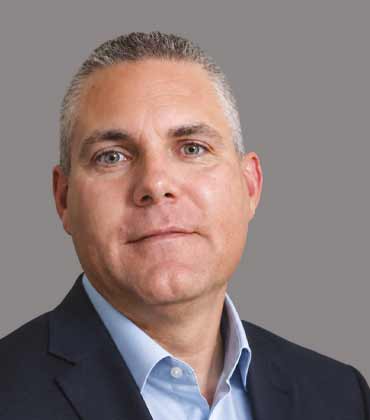
Timothy Ernst
Timothy Ernst is a human resource professional with more than three decades of experience in organizational culture, leadership development and workforce strategy. He brings a strategic perspective to aligning people practices with business objectives and strengthening organizational performance.
The Importance of Intentional Culture Design
Every organization has a culture. The question is whether that culture supports business success or quietly works against it.
Throughout my more than 30 years in human resources, I have worked with organizations that possessed remarkable cultures and others that struggled despite having talented employees, capable leaders and sound business strategies. One observation has remained consistent. Organizational culture rarely suffers from a lack of good intentions. It suffers from a lack of intentional design.
Great organizational cultures are not built by accident. They are the result of intentional decisions, consistent leadership, and systems designed to reinforce what matters most. Strong cultures emerge through deliberate decisions, consistent leadership and systems that reinforce what matters most.
Most executives recognize the importance of culture. They define missions, establish core values and communicate expectations. Yet translating those aspirations into everyday behaviors remains a challenge. Strategic HR leadership plays an important role in making that connection.
HR’s Strategic Role in Culture
Human resources has traditionally been viewed as an administrative function responsible for policies, compliance, benefits and employee relations. Although these responsibilities remain essential, they represent only part of HR’s potential contribution.
Strategic HR leaders help develop the organizational capabilities, leadership practices and systems needed to execute business strategy. That requires understanding where the organization is going, the challenges it may encounter and the talent and workforce capabilities needed to support its goals.
People strategy and business strategy are inseparable. HR should therefore have a seat at the executive table, contributing business insights, challenging decisions when necessary and helping translate organizational values into measurable expectations.
Culture, however, cannot belong exclusively to HR. Executive leaders must take ownership, managers must demonstrate the expected behaviors, and employees must experience them consistently. HR helps keep these efforts aligned.
Moving Beyond Slogans
One of the central ideas in my forthcoming book, Systems Over Slogans, is that culture is shaped less by what organizations say they value than by what their systems consistently reinforce.
Consider an organization that promotes teamwork but rewards employees exclusively for individual performance. Another may emphasize accountability while overlooking inappropriate behavior from high-performing employees. In both cases, employees quickly recognize the contradiction between stated values and actual practices.
Drawing in part on Olivier Kamel’s five-phase framework, I explore what I call The Culture Delivery System, which brings together five organizational systems that shape workplace culture. Recruitment attracts and selects individuals whose capabilities and behaviors align with organizational expectations, while onboarding helps new employees understand the organization’s purpose, values and expectations and develop a sense of connection and belonging.
Performance management evaluates not only what employees accomplish but how they accomplish it, while promotion advances individuals who demonstrate the leadership behaviors and values the organization wants others to emulate.
Daily management reinforces expectations through communication, coaching, accountability and consistent leadership practices. Together, these systems determine whether organizational values become part of everyday work or remain words on a wall. Strategic HR leaders must help ensure they reinforce one another rather than function independently.
Great organizational cultures are not built by accident. They are the result of intentional decisions, consistent leadership, and systems designed to reinforce what matters most.
Making Culture a Business Discipline
Building culture requires more than engagement surveys, recognition programs or occasional leadership retreats. It requires organizational honesty and a willingness to examine whether existing practices support stated values.
I encourage HR leaders to challenge executive teams with questions about the behaviors their organizations reward, the consistency of performance standards, the values reflected in promotion decisions and the effectiveness of management practices.
The answers can reveal differences between the culture leaders believe they have created and the experience employees actually have. Closing those differences requires changing the systems, expectations and leadership behaviors that shape daily work.
Progress should also be measured through employee retention, internal advancement, leadership effectiveness, engagement and organizational performance. These are business outcomes, not simply HR metrics.
The Opportunity Ahead
The future of strategic HR leadership depends on connecting people, culture and organizational performance. We must move beyond administering policies and take a more active role in developing organizational capability. Every hiring decision, promotion, performance conversation and leadership action can either strengthen or weaken the culture an organization wants to create.
My forthcoming book, Systems Over Slogans: How Leaders Build High-Performing Teams, Strong Workplace Cultures, and Lasting Organizational Success, available in January 2027, explores how leaders can intentionally design the systems and processes that make healthy cultures sustainable.
Organizational culture is not something leaders simply announce. It is built through their decisions, systems and behaviors. Strategic HR leadership has an essential role in ensuring those elements reinforce the culture an organization intends to create.
The articles from these contributors are based on their personal expertise and viewpoints, and do not necessarily reflect the opinions of their employers or affiliated organizations.
