
Thank you for Subscribing to Construction Business Review Weekly Brief

Inc
Marlowe Sinclair, Warehouse Construction Operations Director, ones Lang LaSalle IP
Surge in Warehouse Construction and Automation Spending
Marlowe Sinclair
The construction of new warehouses has become a priority for companies looking to streamline their logistics and meet customer expectations for faster and more reliable deliveries.
The surge indicates a broader trend toward modernizing logistics and distribution systems to meet the challenges of an evolving global market. It is poised to witness a substantial increase in warehouse construction and automation spending, primarily due to the growing need for efficient supply chain management, rising e-commerce activities, and advanced technologies to enhance overall productivity. The global shift towards online shopping has significantly increased the demand for warehouse spaces. E-commerce giants and traditional retailers are expanding their operations to accommodate the surge in online orders. A technologically advanced, efficient, and agile future is possible as the industry embraces these changes.
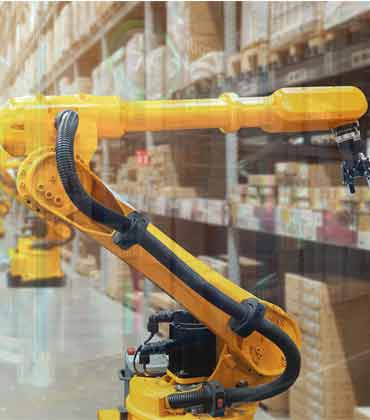
Adopting automation technologies in warehouses has gained momentum as companies recognize the importance of increasing efficiency in warehouses, reducing labor costs, and improving accuracy in inventory management. Technologies like robotics, AI, and the Internet of Things (IoT) are being integrated into warehouse operations to optimize processes, from order fulfillment to inventory tracking. The deployment of robotics in warehouses is set to rise, with companies investing in autonomous vehicles and robotic arms for tasks such as picking, packing, and sorting. The combination of e-commerce growth, technological advancements, and a focus on sustainability reshapes how warehouses are designed, built, and operated.
The robotic systems enhance speed and accuracy and contribute to a safer working environment by handling physically and mentally demanding tasks, allowing workers to focus on strategic and complex tasks. AI transforms inventory management within warehouses. Advanced AI algorithms can predict demand patterns, ensure optimal stock levels, and reduce the likelihood of stockouts and overstock situations. By leveraging machine learning, warehouses can adapt to changing market conditions, providing a more responsive and agile supply chain.
The Internet of Things facilitates the creation of smart warehouses, where devices and systems are interconnected to provide real-time data and insights. Sensors, RFID tags, and smart devices enable warehouses to monitor inventory levels, track the movement of goods, and enhance overall visibility throughout the supply chain. The connectivity not only improves efficiency but also enables proactive decision-making. The construction and operation of warehouses are increasingly focused on sustainability and energy efficiency. Green building practices like energy-efficient lighting, insulation, and renewable energy sources are becoming integral to warehouse construction projects.
Robots designed for collaboration, or cobots, work alongside employees, enhancing collaboration and efficiency. In warehouses, cobots can assist with tasks that require skill and human judgment, contributing to a harmonious blend of human and robotic capabilities. More warehouses are adopting cobots to improve overall operational flexibility. It reflects a broader commitment by businesses to environmental sustainability and meeting sustainability objectives. The surge in warehouse construction and automation spending attracts significant investments from established players and startups in the logistics technology sector.
Venture capital and private equity firms are keenly interested in supporting innovations that can disrupt traditional supply chain models and offer substantial returns on investment. Despite the positive outlook, there are challenges to be addressed. Concerns about job displacement, data security, and the high upfront costs of implementing automation technologies must be carefully managed. Ensuring the workforce is adequately trained to operate and manage these advanced systems is crucial for successfully integrating warehouse automation. A remarkable increase in warehouse construction and automation spending is expected as businesses recognize the imperative to adapt to the evolving supply chain management landscape.
The articles from these contributors are based on their personal expertise and viewpoints, and do not necessarily reflect the opinions of their employers or affiliated organizations.
