Thank you for Subscribing to Construction Business Review Weekly Brief

Universal Creative
Naysa Luna, Assistant Director, Virtual Design and Construction (PMO)
Turning VDC Data into Better Construction Decisions
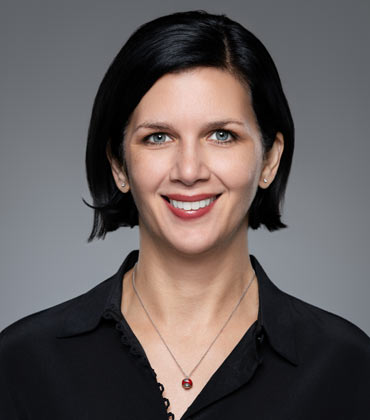
Naysa Luna
Making Complex Data Actionable
From an owner's perspective, VDC is about creating visibility and providing the right information to make informed decisions. On complex projects, we have an enormous amount of information coming from designers, contractors, consultants and various disciplines. The challenge isn't necessarily collecting more data, it's making sense of what we already have.
I see myself as a translator between the technical and nontechnical worlds. My role is to take complex information and turn it into something meaningful for the people making decisions. Project leaders don't necessarily need to understand every technical detail behind a model or workflow. They need to understand what the information means, why it matters and what action is needed.
Ultimately, VDC should help us identify challenges earlier, improve collaboration, and make decisions that support successful project delivery and, most importantly, the guest experience.
Making Complexity Easy to Navigate
One of my favorite aspects of my work is writing standards. I genuinely enjoy taking complex systems and processes and simplifying them into something people can understand and follow. My philosophy is to make it look easy. Those who know what's happening behind the scenes understand that making something simple is often the hardest part.
When you're working with multidisciplinary teams across different organizations and countries, consistency is essential. But standards shouldn't feel like another administrative burden. They should make people's jobs easier. I've learned that most people aren't naturally enthusiastic about change, particularly when it disrupts something they're comfortable doing. That's why I focus on making new processes feel intuitive, practical, and manageable.
If we've done our job well, people shouldn't have to think about how complicated the system is. They should simply be able to use it effectively.
Making VDC Reporting Actionable
I believe reporting should tell a story, not just present numbers. We can create beautiful dashboards filled with charts, but if the information doesn't help someone make a decision, what have we accomplished?
There's always something new to learn, something to improve and another opportunity to make a difference.
For example, knowing that a project has hundreds of open comments is one thing. Understanding which comments have remained unresolved, why they're still open, and whether they require leadership intervention is much more valuable. I try to approach reporting from the perspective of the person receiving it. What do they actually need to know? What should catch their attention? What decision can this information help them make?
Again, it comes back to translation. We take complicated information behind the scenes and present it in a way that feels simple, clear, and actionable.
Simplifying BIM and VDC Adoption
I've learned that the greatest challenge is often not the technology itself, but how people experience it.
Change is inevitable, but that doesn't mean everyone welcomes it. People have established ways of working and introducing new technology or processes can feel overwhelming, particularly when they're already managing demanding projects. That's why I believe simplification is such an important leadership skill. We need to understand the complexity ourselves so that others don't have to.
When developing standards, workflows, or reporting tools, I always try to think about the person who will actually use them. Can they understand what they need to do? Does the process make sense? Are we solving a challenge or creating another task?
My goal is to make it feel manageable. If something is difficult to explain, that's often a sign that we need to simplify it further.
Letting Passion Drive Professional Growth
My biggest advice is to pour passion into your work. Love what you do.
Technology changes, software evolves, and the industry will continue to transform. You can't build an entire career around knowing one tool. But if you're genuinely passionate about solving problems, learning new things and improving how people work, you'll continue to grow alongside the industry.
Be curious. Ask questions. Challenge processes that don't make sense and don't be afraid of change. I also believe we have to remember why we do this work. In our industry, the technology, coordination and information management happening behind the scenes ultimately contribute to the experiences we create for our guests.
Change will always happen. Our responsibility is to embrace it thoughtfully, continue improving, and make sure the changes we introduce contribute to a better end result. For me, that's what makes this career exciting. There's always something new to learn, something to improve and another opportunity to make a difference.
The articles from these contributors are based on their personal expertise and viewpoints, and do not necessarily reflect the opinions of their employers or affiliated organizations.
