
CLOSE
  • Specialty Construction Europe
  • Roofing and Siding Systems
  • Doors and windows
  • HVAC
  • Steel Building APAC
  • Kitchen and Bath Europe
  • Construction Interiors
  • Construction Demolition and Recycling Europe
  • Construction MENA
  • Architectural Glass
  • Modular and Prefab Construction
  • Construction Engineering Services
  • Safety and Compliance Europe
  • Wall Systems
  • Waterproofing APAC
  • Flooring System
  • Forensic and Owners Representative
  • Startups APAC
  • Architectural Glass APAC
  • Roofing and Siding Systems Europe
  • Mechanical Electrical and Plumbing
  • Construction Bidding and Auctions
  • Architecture and Design Services
  • Concretes, Aggregates and Materials
  • Safety and Compliance APAC
  • Construction Demolition and Recycling APAC
  • Steel Building Europe
  • Construction Consulting
  • Roofing Systems APAC
  • Workforce Management and Staffing
  • Construction Latam
  • Landscaping
  • Construction Marketing
  • Modular Construction APAC
  • Modular Construction Canada
  • Construction Engineering MENA
  • Swimming Pool Construction
  • Construction Engineering Canada
  • Specialty Construction
  • Commercial Contractors
  • Scaffolding Contractors
  • Building Restoration and Maintenance
  • Doors and Windows Canada
  • Sustainable Construction APAC
  • Construction Law
  • Architectural Glass Canada
  • Building Information Modeling APAC
  • Construction Staffing
  • Insulation, Coating and Waterproofing
  • Cold Storage Construction Canada
  • Construction Management Canada
  • Swimming Pool Construction Canada
  • Scaffolding Canada
  • Flooring System APAC
  • Pre-Construction Services
  • Construction Staffing Europe
  • Precast Concrete Europe
  • Cold Storage Construction APAC
  • Apartment and Condominium Contractors Canada
  • MEP Canada
  • Foundation Construction Canada
  • Outdoor Construction
  • Construction Law APAC
  • Construction Saudi Arabia
  • MEP APAC
  • Decking Canada
  • Kitchen and Bath
  • Building Sealing Solutions Europe
  • Swimming Pool Construction APAC
  • Mould Remediation and Testing Europe
  • Mechanical Contractor Canada
  • Construction Consulting Europe
  • Construction Coating Europe
  • Landscaping Canada
  • Construction Management
  • Construction Management APAC
  • Flooring Systems Europe
  • Dummy
  • Commercial Contractors APAC
  • Commercial Contractors Europe
  • Concretes, Aggregates and Materials Europe
  • Concretes, Aggregates and Construction Materials APAC
  • Construction Cladding APAC
  • Concrete Canada
  • Residential Construction
  • Building Restoration and Maintenance Canada
  • Pre-Construction Services Europe
  • Outdoor Construction Europe
  • Construction Interiors Europe
  • Modular and Prefab Construction Europe
  • Buinding Restoration and Maintenance Europe
  • Construction Forensic and Owners Representative Europe
  • Professional Services
  • Structures
  • Systems
  • Roofing and Siding Systems Canada
  • Professional Services Canada
  • Structures Canada
  • Systems Canada
  • Professional Services Europe
  • Structures Europe
  • Systems Europe
  • Training Services
  • Geotechnical Services Canada
Skip to: Curated Story Group 1
Construction Business Review
US
EUROPE
APAC
CANADA
MENA
LATAM
AUSTRALIA
About Us Conference Partner With Us
  • US
    • US
    • EUROPE
    • CANADA
    • AUSTRALIA
  • Professional Services
    Architecture and Design Services
    Building Restoration and Maintenance
    Construction Bidding and Auctions
    Construction Consulting
    Construction Engineering Services
    Construction Law
    Construction Management
    Construction Marketing
    Construction Staffing
    Forensic and Owners Representative
    Pre-Construction Services
    Scaffolding Contractors
    Training Services
  • Structures
    Commercial Contractors
    Construction Interiors
    HVAC
    Landscaping
    Mechanical Electrical and Plumbing
    Modular and Prefab Construction
    Outdoor Construction
    Residential Construction
    Specialty Construction
    Swimming Pool Construction
  • Systems
    Architectural Glass
    Concretes, Aggregates and Materials
    Doors and windows
    Flooring System
    Insulation, Coating and Waterproofing
    Kitchen and Bath
    Roofing and Siding Systems
    Wall Systems
  • Leadership Perspectives
  • Insights
  • Research
  • News
  • Magazines
  • CXO Awards

Thank you for Subscribing to Construction Business Review Weekly Brief

A featured contribution from Leadership Perspectives: a curated forum reserved for leaders nominated by our subscribers and vetted by the Construction Business Review Advisory Board.

ChemTreat

Brad Buecker, Senior Technical Publicist

Minimizing Cooling System Corrosion
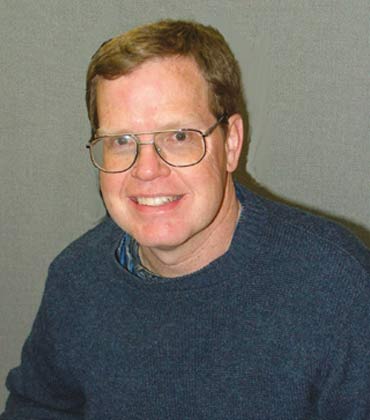
Brad Buecker

Brad Buecker

Thousands of manufacturing and other industrial plants require cooling water for numerous process applications. These cooling systems, many of which utilize cooling towers for primary heat transfer, are critical for plant operation and productivity. However, corrosion and fouling issues require constant attention to prevent productivity losses and sometimes even plant shutdown. New technologies have emerged to greatly assist in the battle against cooling system corrosion.


While comprehensive cooling water treatment programs typically include chemistry to control scale formation, they also must be designed to protect metal surfaces from corrosion. Cooling systems often incorporate multiple metallurgies, but by far the most common material for piping and other equipment such as heat exchanger shells is carbon steel. For many years in the last century, a common cooling tower treatment program utilized sulfuric acid combined with chromate treatment to protect the various metals within systems, and most notably carbon steel. The chemistry inhibits calcium carbonate scaling by reaction of sulfuric acid with bicarbonate ions (HCO3-) to convert the ions to CO2, which escape as gas. A typical pH control range was within or near 6.5 to 7.0. The second compound in the formulation, disodium chromate (Na2Cr2O7), provides chromate ions that react with carbon steel to establish a protective pseudo-stainless steel layer, which can be particularly effective in the oxygensaturated cooling water generated by cooling towers.


Proper attention to the control and minimization of microbiological fouling is required for every system


Almost universally, chromate treatment was abandoned in the 1980s due to dawning knowledge, including efforts led by Erin Brockovich, of the toxicity of hexavalent chromium (Cr6+). The most common (by far) replacement programs were based on a combination of inorganic and organic phosphate, aka phosphonate, chemistries, with supplemental chemical additives to control both scaling and corrosion. These treatment methods can be quite complex, and for corrosion protection rely on deposition of reaction products to protect metal surfaces. The deposition products are often subject to process variations or upsets that negatively influence program effectiveness. So, the search for better chemistry came along. Another driving factor in this search involved the increasing concern regarding the impact of phosphorus on the environment, and in particular the growing problem of toxic algae blooms in natural bodies of water. Toxic algae blooms have been well-documented in such warm weather locations as Florida and the Gulf of Mexico below New Orleans, but they have occurred in many other areas including Lake Erie.


Modern polymer chemistry has emerged that are serving as an alternative to phosphate-based treatment methods for corrosion control. Original polymers developed for scale control contained carboxylate functional groups (COO-), where the negatively-charged oxygen atoms bind with hardness ions to modify crystal growth. More advanced compounds such as co- and ter-polymers have structures that may include carboxylate, amide (R-CO-NH2), sulfonic acid (SO3H) and other groups for improved reactivity and resistance to degradation. These enhanced polymers have been formulated to help control other deposition, including calcium sulfate, magnesium and calcium silicates, manganese, and calcium fluoride, to name some of the most prominent.


But what about corrosion control? Non-phosphorus treatments methods, similar to those of the preceding phosphate/phosphonate programs, have been designed to operate at an alkaline pH range (7-9), which tends to minimize general corrosion of metals. But even so, corrosion cells can still develop. The key is compound functionality in which the polymer establishes a protective barrier on metal surfaces. A pioneer and still leading product in this regard goes by the name of FlexPro®, which combines a group of chemistries that “interact directly with metal surfaces to form a reactive polyhydroxy starch inhibitor (RPSI) complex that is independent of calcium, pH, or other water chemistry constituents.” The compounds establish a direct protective layer on metal surfaces, unlike the phosphate/ phosphonate programs that rely on deposition of reaction products to form protective barriers, which, as has been noted, can be difficult to control. Full-scale application of the chemistry has proven very effective. In one instance at a large industrial complex in the southeastern U.S., RPSI replaced previous polyphosphate and then zinc chemistry. Carbon steel corrosion rates have been reduced from 0.2-0.25 mm/ yr to 0.0025 to 0.0075 mm/yr. On a secondary note, the change from zinc and then to RPSI was in part influenced by problems with severe algae formation in a clarifier and recycle pond at the plant. The removal of phosphate from the water solved that difficulty. This is but one of many successful applications of this chemistry.


It must be noted that although these new products have improved cooling system corrosion and scale protection, they are not a cure-all for cooling water treatment. Proper attention to the control and minimization of microbiological fouling is required for every system. The author can comment from direct experience that such fouling can occur very rapidly. If microbes are allowed to settle, the deposits will inhibit the performance of any corrosion/scale inhibitor program, and can generate corrosion on their own. Heat exchanger tube failure and cooling tower fill fouling are but two of the numerous problems that microbes can cause. Due diligence is always required in designing and implementing a comprehensive cooling water treatment program.


The articles from these contributors are based on their personal expertise and viewpoints, and do not necessarily reflect the opinions of their employers or affiliated organizations.
The Leadership Perspectives forum brings together voices shaping the construction industry. Participation is by invitation only. It features leaders who are not merely observing industry changes, but actively contributing to them through operational expertise and project execution insights.
EDITOR'S CHOICE
  • Willis Towers Watson

    Cushman & Wakefield [NYSE: CWK]

    Projects Today Come Down to Nerves of Steel and Realistic Expectations

    Jason D’Orlando, Senior Managing Director, and Michael Morehead, Senior Director, Project and Development Services - Industrial

  • Willis Towers Watson

    Walmart [NYSE: WMT]

    Navgating the Challenges and Innovations in Mega Construction Projects: Building Competent Leadership and Embracing Technological Trends

    Seth Roy, Senior Director - Design & Construction, Walmart [NYSE: WMT]

  • Willis Towers Watson

    Meritage Homes [NYSE: MTH]

    Act Now to Address Aging Workforce

    Poli Peters, VP of Operations

  • Willis Towers Watson

    Advanced Drainage Systems [NYSE: WMS]

    Walking the sustainability walk: The case for EPR

    Brian King, EVP Marketing, Product Management and Sustainability, Advanced Drainage Systems, Inc. [NYSE: WMS]

Construction Business Review
Follow on LinkedIn

About

  • Home
  • About Us

Stay Connected

  • Subscribe
  • Newsletter
  • Sitemap

Contact Us

  • editor@constructionbusinessreview.com
  • sales@constructionbusinessreview.com
  • marketing@constructionbusinessreview.com

Legal

  • Editorial Policy
  • Privacy Policy
  • Terms of Use

© 2026 Construction Business Review. All rights reserved. Headquartered in Fort Lauderdale, FL, USA.

This content is copyright protected

However, if you would like to share the information in this article, you may use the link below:

https://www.constructionbusinessreview.com/leadership-perspective/minimizing-cooling-system-corrosion-nwid-842.html

We use cookies on this website to enhance your user experience. By clicking any link on this page you are giving your consent for us to set cookies. More info

I agree