
Thank you for Subscribing to Construction Business Review Weekly Brief

Landmark Aquatic, LLC
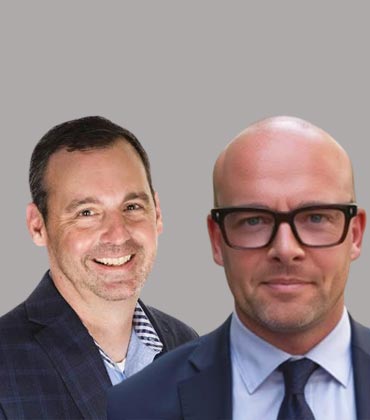
J. Ryan Casserly, CEO and Scott Jones, COO, Landmark Aquatic
Building Trust That Lasts Beyond Project Turnover
J. Ryan Casserly
At Landmark, Ryan Casserly, CEO, leads the company’s strategic direction and corporate functions, with a focus on operational excellence, safety, quality, employee development and long-term customer partnerships. Carrying his more than two decades of construction and executive leadership experience, he serves as lead executive on design-build and bid-build projects, with expertise spanning design development, budgeting, specification planning and resource allocation. Scott Jones, COO of Landmark Aquatic, leads operations and sales across the platform with a focus on developing people, building scalable systems and keeping the customer at the center of the business. Prior to Landmark, Scott held leadership roles at TK Elevator and Johnson Controls, overseeing multisite operations across construction, renovation and field services. Throughout his career, he has focused on strengthening operational and commercial performance while developing the leaders who make it possible.
Lasting Client Relationships: Trust Extends Beyond Turnover
A successful project delivers what was promised. A lasting relationship goes further; it’s built on trust, accountability and consistency over time. In construction, challenges are going to happen. Schedules change, unexpected conditions arise and difficult decisions have to be made. Customers remember how you respond in those moments just as much as they remember the finished project.
That means communicating openly, taking ownership when something doesn’t go as planned and staying focused on finding the right solution rather than assigning blame. It also means continuing to support the customer after turnover.
The best relationships develop when you understand not only the project, but also the people responsible for operating and maintaining that facility. You learn their priorities, their challenges and what success looks like for them long term. When a customer knows they can call you years after a project is complete and you’ll still be there to help, you’ve moved beyond being a contractor and become a trusted partner.
Construction Service Continuity: Handoffs Should Not Restart
Construction firms have to think beyond simply delivering the project. Clients increasingly want partners who understand their facility and can support them throughout its lifecycle. That requires stronger connections between construction, turnover, maintenance and ongoing service so the relationship doesn’t end when the project does.
From an operational standpoint, that also means better documentation, clearer handoffs, stronger communication between teams and making sure the customer knows who is supporting them next. The transition from construction to operation shouldn’t feel like starting over with a new company or team.
When a customer knows they can call you years after a project is complete and you’ll still be there to help, you’ve moved beyond being a contractor and become a trusted partner.
I think the firms that does this well will become more valuable to their customers because they’re creating continuity. When you’ve been involved from the beginning, you understand why decisions were made, how systems were designed and what the facility needs going forward. That knowledge allows you to be more proactive and ultimately helps the customer protect their investment.
Construction Partnerships: Responsibility Shouldn’t End at Turnover
Over time, you realize the best construction relationships aren’t built around a single project; they’re built around trust. Our customers are making significant, long-term investments in their facilities and our responsibility shouldn’t end at turnover.
A project may take a year or two to design and build, but that facility may serve a community, school, resort, or organization for decades. Looking at the relationship through that lens changes your responsibility as a contractor. You have to understand what the customer is trying to accomplish beyond simply completing the project.
If we understand their goals, deliver on our commitments, communicate honestly and continue supporting them afterward, we become a partner in their success rather than simply a contractor they hired for one job. Ultimately, repeat relationships are earned through performance and trust over time.
Project Lifecycle Decisions: Accountability Changes Every Choice
A partnership approach encourages leaders to make decisions with the long term in mind, not just project completion. You start asking how each decision will impact the facility years from now...its performance, maintenance requirements, operating costs and the people responsible for running it.
Sometimes the easiest or least expensive decision today isn’t necessarily the best decision for the customer over the life of the facility. A long-term mindset forces you to have those conversations and be transparent about the tradeoffs.
It also creates greater accountability. If you expect to be standing alongside that customer five or ten years from now, you naturally approach decisions differently. That mindset creates better communication, better collaboration and ultimately better outcomes.
Advice to Peers: Listen, Learn and Deliver
Build your reputation on trust and consistency. Construction is a relationship business and people remember how you communicate, how you handle challenges and whether you show up when it matters.
Be willing to listen, learn from people who have been doing the work longer than you and take responsibility for your commitments. Your reputation is built over years but reinforced through everyday interactions.
If you consistently do what you say you’re going to do and focus on doing right by people, strong relationships follow. And over the course of a career, those relationships tend to create opportunities you could never have planned for.
The articles from these contributors are based on their personal expertise and viewpoints, and do not necessarily reflect the opinions of their employers or affiliated organizations.
