
Thank you for Subscribing to Construction Business Review Weekly Brief

Sukut Construction, LLC
Eddie Juarez, President, Sukut Construction
Leadership Built from the Field Up
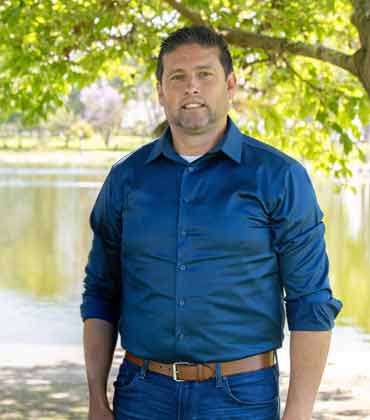
Eddie Juarez
Staying Connected to Project Execution
My leadership approach starts with staying close to our people and the work happening in the field. I believe leaders need to be visible, ask questions, listen and make sure their teams have the resources and authority to do their jobs well.
At Sukut, we have worked to strengthen communication among our field, estimating, equipment, safety and support teams. Bringing those groups together early helps us identify risk, make better decisions and address problems before they affect the project. It also creates accountability because everyone understands the plan and how their work affects safety, quality, cost and schedule.
As our projects have grown in size and complexity, that discipline has helped us maintain consistent performance without losing the culture that built our company. Our people know they are expected to speak up, support one another and never allow production to come before safety.
Preparing Teams for Greater Complexity
One of the biggest challenges I see is developing enough experienced people to meet the demands of increasingly large and complex projects. Our projects are getting larger and more complicated, while teams are also dealing with tight schedules, rising costs and changing requirements.
The best way to prepare is to invest in people early before the need becomes urgent. That means giving employees meaningful responsibility, pairing younger team members with experienced leaders and exposing them to different parts of the business. It also requires honest communication about project risks and expectations.
Strong teams are not built when a project begins. They are built over time through training, mentoring, field experience and trust. When people understand the work, feel comfortable raising concerns and know what is expected of them, they are much better prepared to respond when conditions change.
AI is another challenge we are working through. It can save time and help with everyday tasks, but employees also need to understand its limits, challenges and potential dangers. Information must be protected and anything produced by AI needs to be checked by someone who knows the work.
At Sukut, we are preparing to train our employees to use AI safely and effectively. We want them to understand when it is useful, what information should never be entered and why their own experience and judgment still come first. AI can be a helpful tool, but it cannot replace the knowledge of the people planning and building the project.
Building Efficiency into the Work
I do not view those as competing priorities. When people are properly trained, the work is well planned and quality is built into the operation from the beginning, projects naturally become more efficient.
Leadership is not about being the most important person in the room. It is about being accountable to the people who depend on you.
The process starts before mobilization. The team needs a clear scope, the right people and equipment, realistic production goals and a solid understanding of the project’s risks. During construction, leaders need to stay connected to field conditions and adjust quickly when the plan no longer matches the work.
Workforce development also needs to happen on the job. We give developing employees opportunities to take ownership while keeping experienced leaders involved to provide guidance. Quality and safety cannot be treated as final inspections or separate responsibilities. They need to be part of every work plan and every production decision. Doing the work correctly the first time remains one of the best ways to improve productivity.
Using Technology to Improve Field Execution
Modern equipment and technology give our teams greater accuracy and a clearer picture of project performance. GPS machine control, digital models, drone data, production tracking and equipment monitoring can help us grade more precisely, manage quantities, reduce rework and make informed decisions sooner.
Technology is most valuable when it solves a real field problem. It should make information easier to understand, reduce guesswork and help people respond faster. It does not replace the knowledge of an experienced superintendent, operator, project manager or craft professional.
Project-management practices are just as important. Strong work planning, accurate forecasting, regular communication and lessons learned from previous projects help create consistency across the company. The goal is not to use technology simply because it is available. The goal is to give our people better information and better tools to perform their work safely and efficiently.
Putting People at the Center of Leadership
The biggest lesson I have learned is that leadership is about people. I started at Sukut as a project engineer and later worked as a project manager and in leadership roles across environmental, energy and operations. Every position taught me something different, but the most important lesson was to listen to the people closest to the work.
As president, I often joke that I now have hundreds of bosses. What I mean is that I listen to our employees and view my job as making sure they have what they need to succeed. That may mean removing an obstacle, making a decision, providing the right resources or simply taking the time to hear their concerns. Leadership is not about being the most important person in the room. It is about being accountable to the people who depend on you.
I would tell the next generation to learn the work, spend time in the field, ask questions AND stay connected to their teams. You will not always have the answer and you should never pretend that you do. Listen, make decisions when they need to be made, own your mistakes and give your team credit when things go well. Most importantly, take care of your people. When employees know their leaders care about them and their safety, they will take care of the project and one another.
The articles from these contributors are based on their personal expertise and viewpoints, and do not necessarily reflect the opinions of their employers or affiliated organizations.
