Thank you for Subscribing to Construction Business Review Weekly Brief

First Realty Management
Ana P. Paulino, Senior Construction Project Manager (CSL)
Leading Through Experience
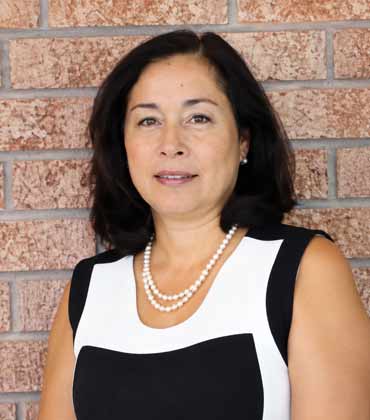
Ana P. Paulino
Building a Career Through Mentorship & Experience
In my current role, I serve as one of four Senior Construction Project Managers in the Construction Department at First Realty Management Corporation, an award-winning property management company overseeing approximately 8,100 apartment and condominium units, as well as commercial and office spaces. Much of my work supports the company’s mission to enhance communities that provide quality of life and long-term value, while managing multiple capital repair construction projects each year.
Before joining First Realty Management, I spent 40 years working with several well-known retail developers throughout New England in tenant coordination roles ranging from Tenant Coordinator to Manager of Tenant Coordination. Earlier in my career, I worked as a draftsperson for several years before transitioning into a more collaborative Tenant Coordinator role during the two-level expansion and renovation of Burlington Mall. The Architectural Engineering Technology program at Wentworth Institute of Technology provided a strong foundation, giving me the knowledge and perspective to work across many areas of design and construction.
Mentorship is an invaluable experience—first received, then shared with others.
My career did not follow a direct path, but strong leadership and early mentorship helped guide me toward the field that interested me most. I learned that mentorship is a two-way relationship built on listening, staying connected with peers, and using that experience to motivate others. I was fortunate to have someone take an interest in my success and support my growth from my early years as a draftsperson through two other tenant coordination roles. During my drafting years, he encouraged me to take initiative, collaborate with in-house engineers, and add thoughtful detail to my drawings, while also helping me understand when too much information could slow the completion of plans. Contractors may have appreciated the added detail, but he guided me on how and when information was most useful to a project.
One clear example was the time I spent late hours developing isometric roof flashing details, only for him to explain that the people using the drawings might not recognize the added effort or benefit from that level of detail. That lesson helped me better understand the balance between quality, usefulness and efficiency.
If you have benefited from someone’s guidance, remember to pass that support on to others.
We later crossed paths again when I was hired as a Tenant Coordinator for a retail development company. At first, I understood the role primarily as reviewing retailers’ construction drawings, helping select finishes, reviewing sign shop drawings and making storefront design recommendations. Over time, he gave me the opportunity to become involved in the broader tools needed to bring commercial construction development projects to successful completion, including legal construction exhibits, design and construction criteria, budgets and schedules. He also supported my interest in improving software formats to better communicate delivery dates and project milestones. Through that experience, I learned how valuable clear, accurate information was to Lease, Legal, and especially to owners with financial interests in the projects. Compiling the necessary data and translating it effectively for architects, engineers, contractors, and retailers helped the leasing and financial teams make better decisions.
From Learning the Work to Leading Others
As the responsibilities continued to shift and evolve, I came to appreciate the opportunities and lessons provided by someone who helped me grow into a management role.
As time passed, our paths crossed again, this time when I had moved into a management role. It became my responsibility to guide and support others who were interested in the fast-paced world of retail development. By then, many of the industry’s processes and tools had become more widely used and familiar. Terms and conditions were also becoming common across development companies, though they were applied in different ways and at different levels. My design and construction foundation from WIT was essential in helping me support aspiring internal employees and understanding the skills needed for new hires in the department. Although the person who helped bring me to that point had moved into a different role within the company, he remained a valuable sounding board as I learned how to become a stronger manager and mentor.
Today, I remain connected with both the mentor who guided me and the people I have supported along the way. This reflects my belief that when we respect our peers and recognize opportunities for their growth, they are more likely to succeed and inspire others in turn.
Embracing Change & Paying It Forward
Adapting to different economic climates and maintaining strong professional connections can help you stay aligned with your abilities, goals, and passions. It is also important to remain open to learning new skills and not allow uncertainty to limit career decisions. At one point, I worked for a company undergoing new ownership, and many loyal employees faced the possibility of layoffs. A senior manager shared Who Moved My Cheese? by Spencer Johnson with the department, a story about how different characters respond to change. Having already experienced layoffs and restructuring, I sensed that another major change was coming. I knew I needed to decide whether to wait or take action, and either choice required accepting a new path and new responsibilities. The perspective I had gained from past experience and growth helped me move into future roles, while the leadership skills I had developed gave me the confidence to embrace new opportunities.
Staying connected through networking was equally important. Even something as simple as lunch with colleagues from different levels and employers can maintain camaraderie, encourage conversations about new design trends, and create future opportunities. Because the design and construction industry continues to evolve with society’s needs and is shaped by political, environmental, and social influences, it is important to keep listening with an open mind. If you have benefited from someone’s guidance, remember to pass that support on to others.
The articles from these contributors are based on their personal expertise and viewpoints, and do not necessarily reflect the opinions of their employers or affiliated organizations.
